
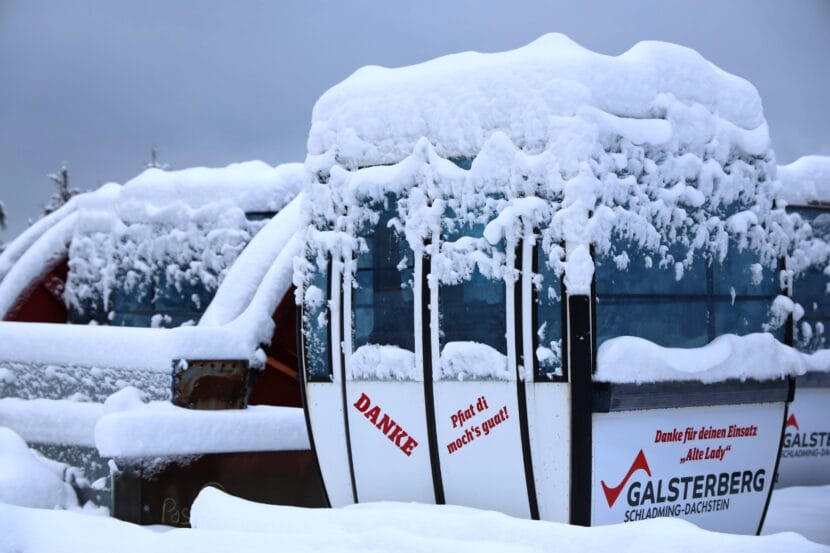
In an unanimous vote, the Juneau planning commission agreed Tuesday to approve a permit for some major construction at Eaglecrest Ski Area this summer — including installing a used gondola.
The approval was the final step in a two-year process for the project to finally break ground.
Eaglecrest General Manager Dave Scanlan said the gondola will be the cornerstone for attracting more summertime visitors and making the city-owned ski area self-sustaining.
“The main focus of the gondola project, obviously, is creating a new durability to climate change, a more resilient revenue stream that’s not so winter dependent,” he said.
The city bought the used gondola from an Austrian ski resort in 2022 for about $2 million, plus an additional $1.1 million to ship it to Juneau. In December, Scanlan revealed that the gondola would need additional parts that would cost almost as much as the gondola itself.
Along with installing the gondola, the ski area plans to build three midway stations, supporting towers and a new lodge at the gondola’s summit.
The permit also allows Eaglecrest to start building new access roads, new mountain bike trails, bridge crossings and a snow tubing park.
Juneau resident Dave Hanna was the only person who gave public testimony at the meeting. He said he thinks the projects will be exciting additions to the ski area.
“Some people might be afraid of change, but this is going to be so good for the community,” he said. “It’s going to open up so much more for folks, for the locals to mountain bike and easier access for mountain top hiking.”
Multiple commissioners said they were concerned that the new projects would mean more traffic and less parking during the winter and summer months.
Scanlan noted that the permit will let Eaglecrest add 30 off-street parking spaces by the Lower Nordic Trail.
Despite hopes to begin construction this May, Scanlan said it’s still going to be some time before the gondola is ready to go for riders. He said Eaglecrest hopes to have the gondola ready by the winter of 2025-2026, and fully operational by the following summer.