
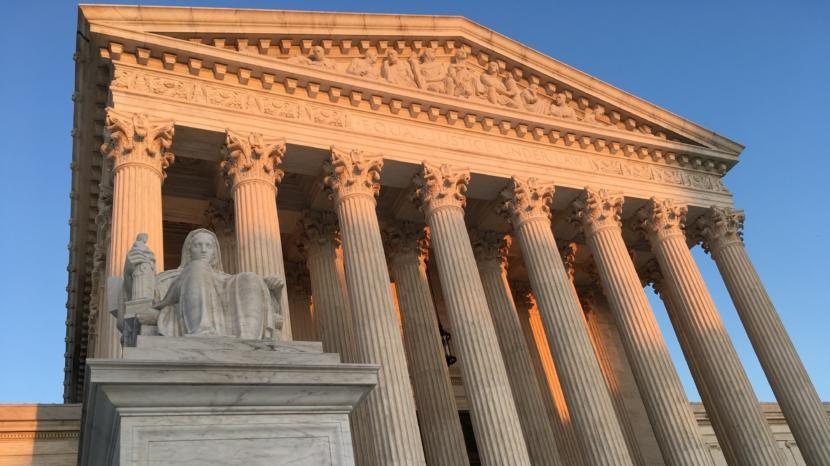
The Supreme Court handed down a major decision Thursday in the Haaland v. Brackeen case, affirming the constitutionality of the Indian Child Welfare Act by a 7-2 vote.
Justices Clarence Thomas and Samuel Alito were the lone justices to dissent.
The decision represents a major victory for federal Indian law and tribes across the nation.
The Indian Child Welfare Act was enacted in 1978 and its purpose is “”…to protect the best interest of Indian Children and to promote the stability and security of Indian tribes and families by the establishment of minimum Federal standards for the removal of Indian children and placement of such children in homes which will reflect the unique values of Indian culture…,” the Bureau of Indian Affairs website states.
For years, tribal leaders and Native organizations have long seen ICWA as the gold standard for child welfare.
Oral arguments on the landmark case took place in November. Indigenous people from around the country traveled to Washington, D.C. for the hearing.
Kimberly Jump-CrazyBear, Osage and Oglala Lakota, was one of many who showed up to show support for the Indian Child Welfare Act.
“I’m just here on behalf of all of you who can’t be here today. To help lend my voice,” she told ICT before the oral arguments for Haaland v. Brackeen began. “Without our children, we don’t have a people anymore.”
Tribes, Native organizations, advocates and allies cheered the decision, reposting sentiments like “tribal sovereignty wins” or “ICWA stands!”