
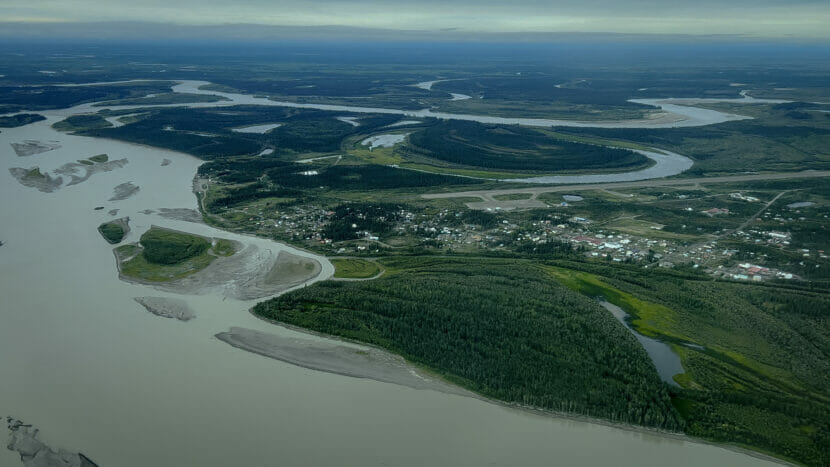
Without salmon, Gwichyaa Zhee is missing its heart.
“It’s just no good,” said Linda Englishoe, sitting on the sofa in her house not far from the Yukon River. Englishoe is an elder who has lived in the village for her entire life.
There are signs of fall in Englishoe’s house — a pan of apples and cinnamon on the stove, a tray of lowbush cranberries waiting to be processed. Fall usually also means the arrival of chum salmon on their journey upriver, but this year, the run is a fraction of the size it once was.
Without fish, Englishoe said, nothing in the village is the way it’s supposed to be. The smokehouses, normally full of salmon drying for the winter, are empty. Even the smell of town is different.
“It used to smell so good, smelling those fish,” Englishoe said. “Ooh, I used to just sit outside, smelling.”
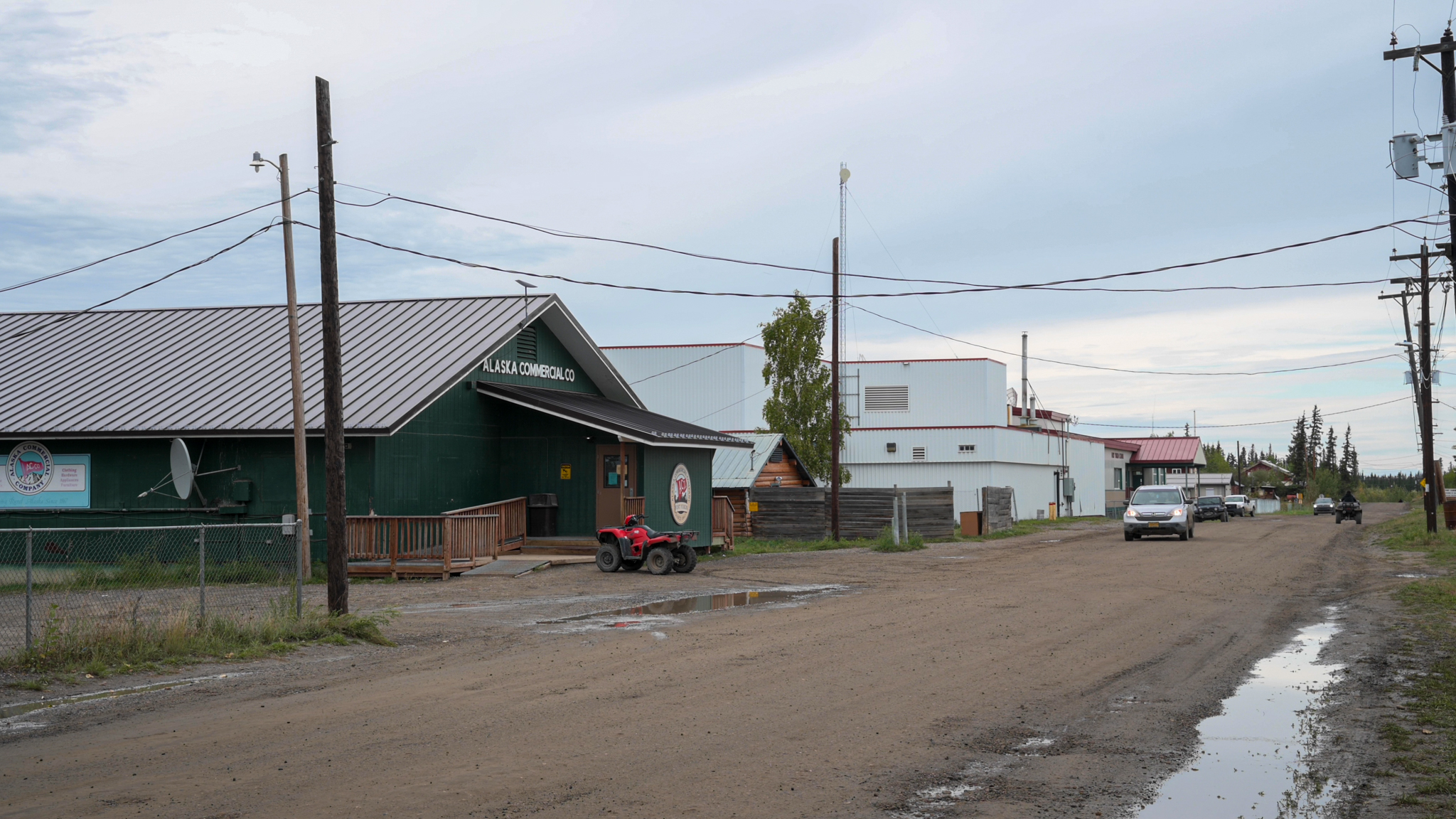
Gwichyaa Zhee is the Gwich’in name for Fort Yukon. The village sits on the upper Yukon River 150 miles northeast of Fairbanks. It’s home to less than 500 mostly Gwich’in Athabascan people, many of whom are related and have deep ties to other communities all along the river and into Canada. Small homes, many with large moose antlers mounted above the door and snow machines or four-wheelers in the yard, sit on a sprawling grid of dirt roads and flat tundra. People here are used to sharing food with one another.
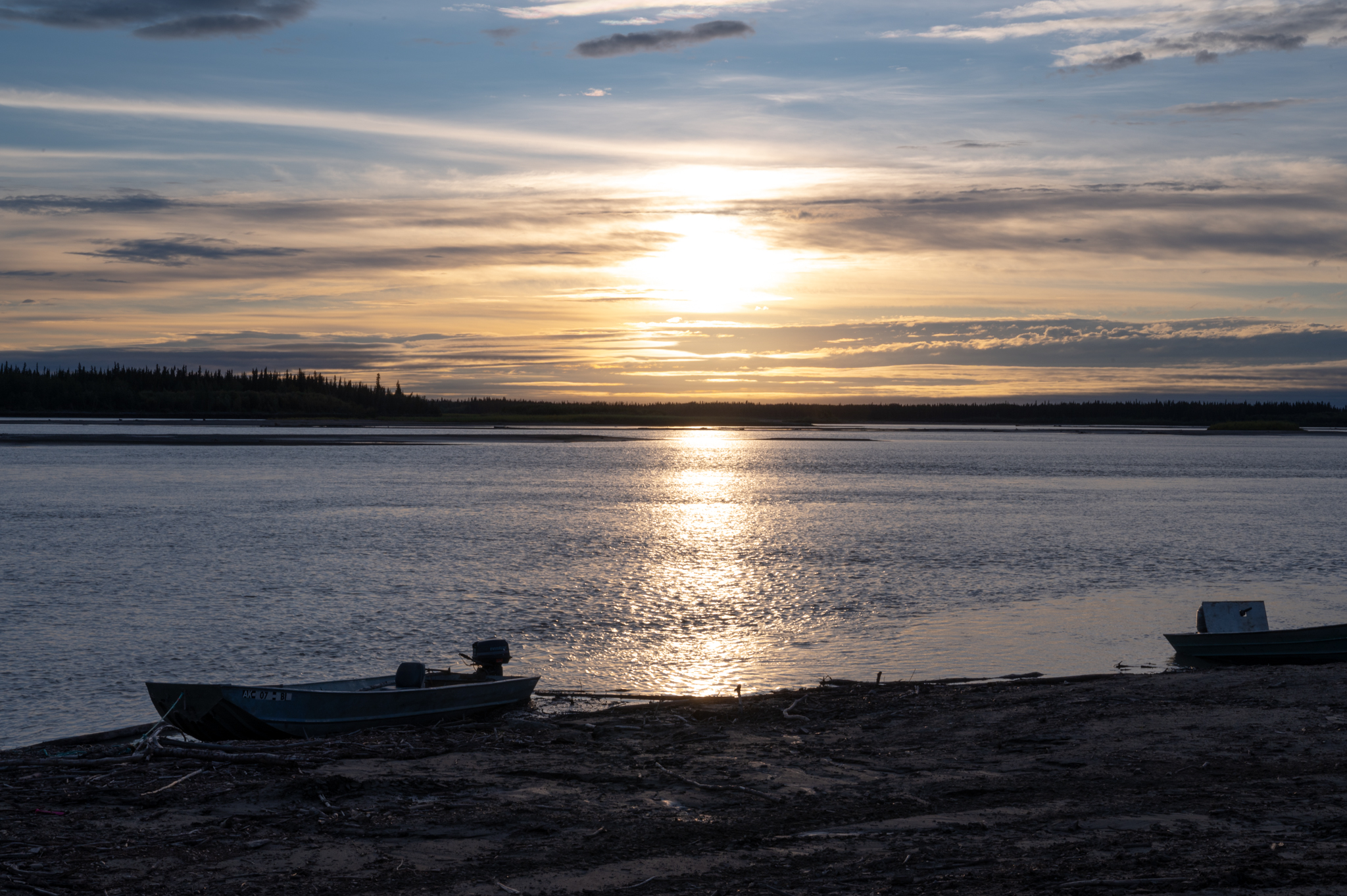
Life in Gwichyaa Zhee revolves around the Yukon River, which is wide and braided where it passes by town. Its silty waters barely make a sound winding through scalloped islands and sandbars. This river used to be full of fish and busy with families traveling back and forth from fish camp, Englishoe said.
“Everyone would visit each other along the river,” She remembered.
Now, the riverfront is quiet, except for a few hunters heading out to try for moose.
Englishoe is one of the 15,000 people living along the Yukon River who are feeling the effects of the salmon collapse, from the Bering Sea to the river’s headwaters in Canada.
The river’s once-strong king salmon run has been on a long, slow decline since the 1990s. Chum salmon runs have also been unpredictable. But in the last four years, both species’ runs abruptly crashed.
Researchers are still unsure exactly what is driving the collapse. Scientists say climate change probably plays a big role, raising the temperature of river water and potentially affecting the availability of prey species at sea. Many people along the river also blame bycatch from the Bering Sea trawler fleet and commercial salmon fishing along the Aleutian chain.
This year, the king salmon run was less than a fifth of its normal size. This summer, for the fourth year in a row, fisheries managers closed almost all king and chum fishing along the Yukon River in Alaska to try to ensure as many fish as possible make it to their spawning grounds.
That means, in Gwichyaa Zhee, there’s no salmon to eat, and no salmon to put away for the winter.
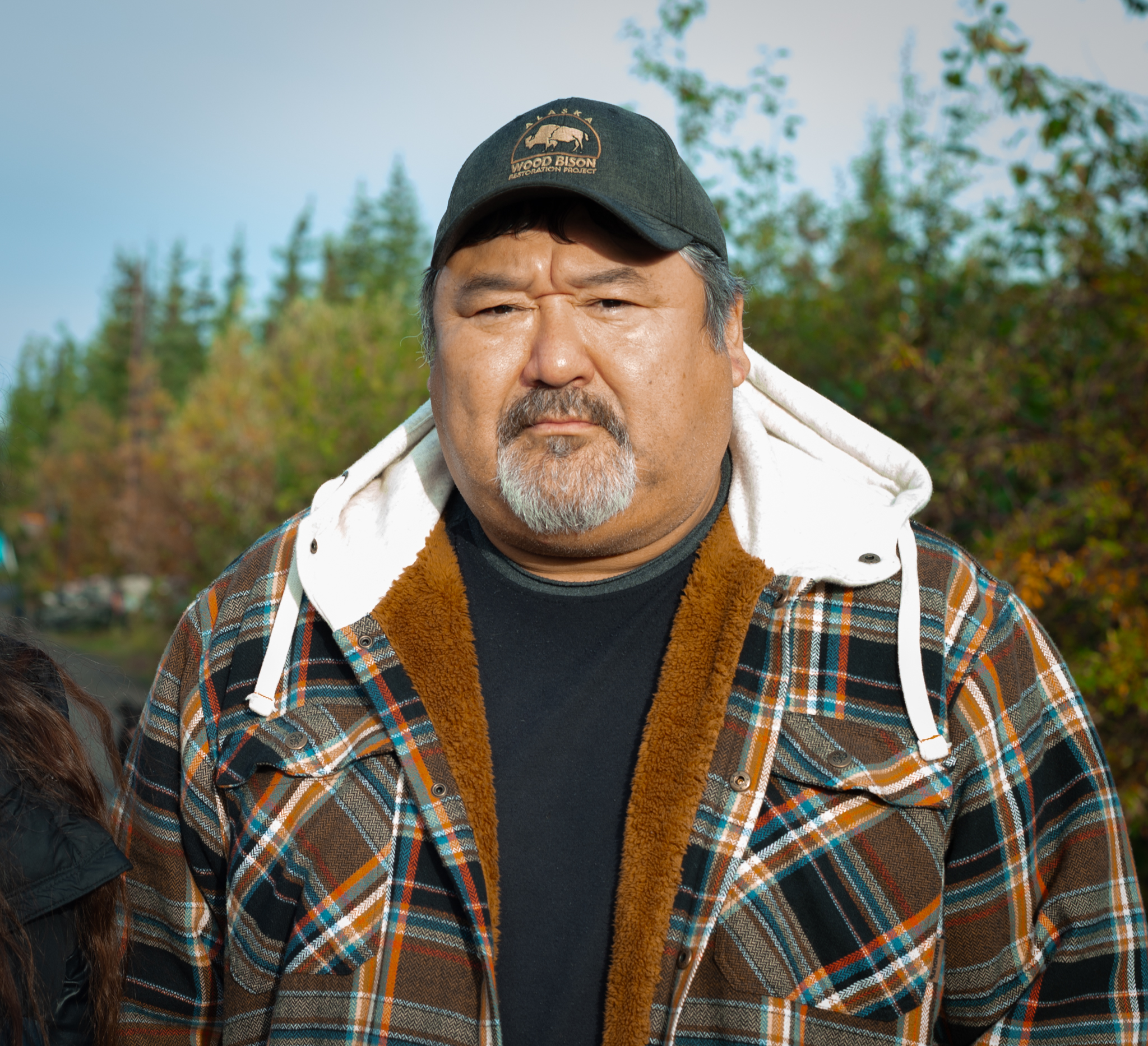
Michael Peter worries about young people — his kids — losing a part of their identity.
Peter is second chief of Gwichyaa Zhee. He grew up learning to cut fish from his grandmother. Summers at fish camp connected him to his community, the river and his family from a young age. But now, he said, instead of spending the summer working together on the river, people are at home.
“A lot of our young people are kind of lost, because of not having our traditional foods and showing them our traditional values, and teaching them, going to fish camp,” Peter said.
For him, fish camp served as a “spiritual awakening,” Peter said. He worries younger generations are missing out on their opportunity to carry on the tradition.
The salmon collapse has also made daily life harder. Without fish, people have to rethink what they eat. Many families are hunting more, Peter said, but fueling up a boat to hunt for moose or shoot geese can cost $9 per gallon. Grocery shopping at the local AC store costs three times what it would in Anchorage.
Year-round work is limited in Gwichyaa Zhee, and Peter said, without fish it’s hard to make ends meet.
“A lot of people are migrating to the city,” he said.
For people in Gwichyaa Zhee, the salmon collapse is just one of a cascade of outside threats.
Recent floods destroyed fish camps up and down the river. Floods like that could become more common, as climate change drives more unpredictable spring river breakups and extreme weather. Peter also worries that oil development like the Willow project and proposed mining in the Brooks Range will threaten caribou herds his community relies on for subsistence. These projects do have support from some communities and Alaska Native leaders, even as Peter and others see them as threats.
“It seems like we’re being attacked all at one time, without any consideration for our future — our kids, our land, our animals, our air, our water, our climate,” Peter said. “The earth can only sustain so much.”
Peter and other residents want Alaska Native people to have more control over how the river and other resources are managed. Currently the U.S. Fish and Wildlife Service and Alaska Department of Fish & Game set limits on subsistence fishing when the runs don’t meet the escapement goals and quotas set out in a decades-old treaty with Canada.
Peter represents the Yukon Flats in the Yukon River Intertribal Fish Commission executive council which develops recommendations for fishery management. He and other Yukon residents are pushing to establish tribal co-management rights for Yukon River salmon. They’re looking at the Kuskokwim River where 33 federally-recognized tribes work in partnership with state and federal agencies to make management decisions, as a model.
“We shouldn’t have to struggle to survive, but we’re survivors, and we’re resilient,” Peter said. “We’ve been here, we’re not going nowhere, and this has always been our home. And who are the better managers of the land than the people themselves?”